


 Written by: Umakant Sir (Founder, Mentor and Civil Servant).
Transforming one village at a time:
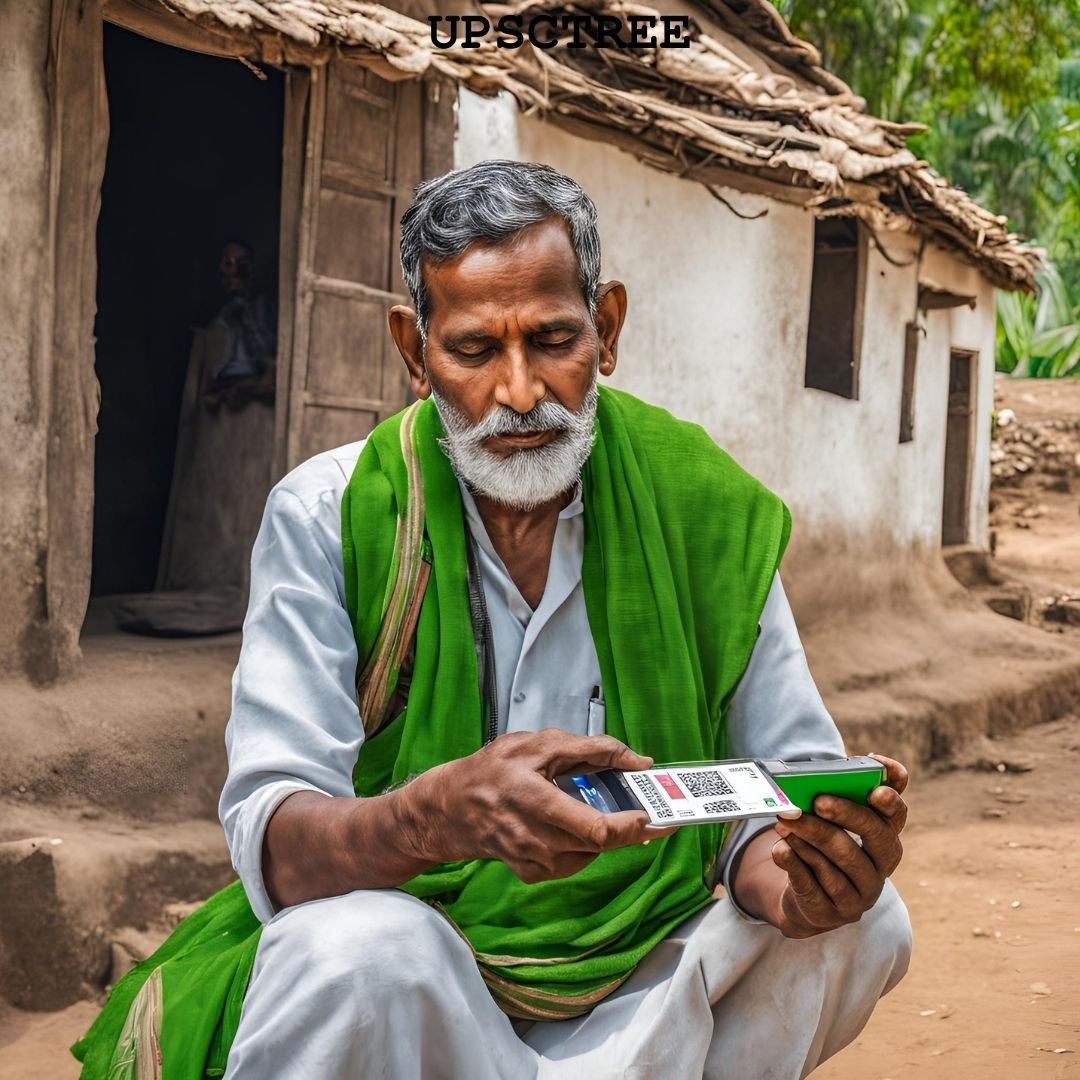
In the remote village of Chiragpur, nestled amidst rolling hills, Ramesh, a farmer, faced a challenge that had plagued his ancestors for generations—access to basic services.
The nearest bank was 30 kilometers away, official documents required multiple visits to the district office, and selling his crops involved dealing with middlemen who took hefty cuts. Technology, for him, was as distant as the city lights he could see faintly from his fields at night.
But everything changed one day when the village school introduced a simple smartphone in their digital literacy drive. With a few taps, Ramesh discovered that he could open a bank account using his Aadhaar card. For the first time, he received payments for his crops directly into his account via UPI, eliminating the middleman. Through the village’s lone Wi-Fi hotspot, his daughter attended online classes on ePathshala, and his wife consulted a doctor through telemedicine powered by the Ayushman Bharat Digital Mission.
Chiragpur transformed, not through skyscrapers or sprawling highways, but through the invisible yet powerful network of India’s Digital Public Infrastructure (DPI). From Aadhaar to UPI, DigiLocker to e-Sanjeevani, the village was now interconnected with the world in ways Ramesh had never imagined.
As India scales its digital horizons, the story of Chiragpur exemplifies how DPI is not just about technology but about empowering the last person in the line. It is a journey from exclusion to inclusion, from barriers to boundless opportunities—transforming the nation one village at a time.
What is Digital Public Infrastructure:
Though the term DPI is relatively new, the concept is not. The internet, powered by common protocols like HTTP, HTML, and SMTP, is a prime example of DPI. It ensures global information exchange and interoperability.
For example:
When you go to buy a new SIM card or get a new utility service (Internet/Wi-Fi etc.), you no need to provide any document for this purpose. Thats is a prime example of DPI. The service provider verifies you, through Aadhar authentication and you walk out with your service at a lightning speed (Compare this with the bygone era, when to get a SIM card you had to stand in queue and apply before 6 months or a year in advance).
Transforming India’s Public delivery landscape:
Since the usage and adoption of DPI at scale, the public delivery landscape of India has changed substantially. Here are few “damn” good examples of DPI.
List of Digital Public Infrastructure (DPI) in India:
DPI Component |
Description |
Applications |
Benefits |
Aadhaar |
Unique biometric-based identity system. |
– Authentication for services |
– Reduces duplication |
|
– Direct Benefit Transfers (DBT). |
– Enables efficient service delivery. |
||
Unified Payments Interface (UPI) |
Real-time payment system enabling instant money transfers via mobile devices. |
– Peer-to-peer transactions |
– Promotes cashless economy |
|
– Merchant payments |
– Low transaction costs. |
||
|
– Bill payments. |
|
||
DigiLocker |
Digital platform for storing and sharing government-issued documents. |
– Storage of ID proofs, certificates, and licenses. |
– Reduces paperwork |
|
– Verification for various services. |
– Provides easy access to documents. |
||
CoWIN |
Platform for COVID-19 vaccination registration and tracking. |
– Vaccine scheduling |
– Streamlines vaccine administration |
|
– Issuance of vaccination certificates. |
– Provides authenticated records. |
||
Ayushman Bharat Digital Mission (ABDM) |
Digital framework for health services. |
– Unified Health ID |
– Enhances healthcare accessibility |
|
– Telemedicine |
– Enables seamless health records sharing. |
||
|
– Health data interoperability. |
|
||
ONDC (Open Network for Digital Commerce) |
Open e-commerce platform promoting inclusivity and competition. |
– E-commerce for small businesses |
– Reduces market dominance |
|
– Interoperable networks for buyers and sellers. |
– Promotes entrepreneurship. |
||
e-Sanjeevani |
Telemedicine platform connecting patients with doctors virtually. |
– Online consultations |
– Improves healthcare access in remote areas |
|
– Specialist referrals. |
– Saves time and resources. |
||
FASTag |
RFID-based electronic toll collection system. |
– Automated toll payments |
– Reduces congestion |
|
– Traffic management. |
– Promotes fuel efficiency. |
||
National Academic Depository (NAD) |
Digital repository for academic certificates. |
– Secure storage and verification of degrees and transcripts. |
– Prevents forgery |
|
– Simplifies access for institutions and students. |
|||
Account Aggregator Framework |
Data-sharing system for financial services. |
– Lending |
– Empowers individuals with control over their data |
|
– Investment management |
– Facilitates easier access to credit. |
||
|
– Personal finance tools. |
|
||
PM-WANI |
Wi-Fi hotspot initiative to provide affordable internet connectivity. |
– Public Wi-Fi access |
– Promotes internet penetration |
|
– Digital inclusivity in rural and urban areas. |
– Supports economic opportunities. |